



Moroccan TilesFull of character, atmosphere and style
Looking for a unique tile with character? Moroccan tiles come in various types such as Zellige, Bejmat and Platta, and are known for their distinctive shapes and vibrant colours.

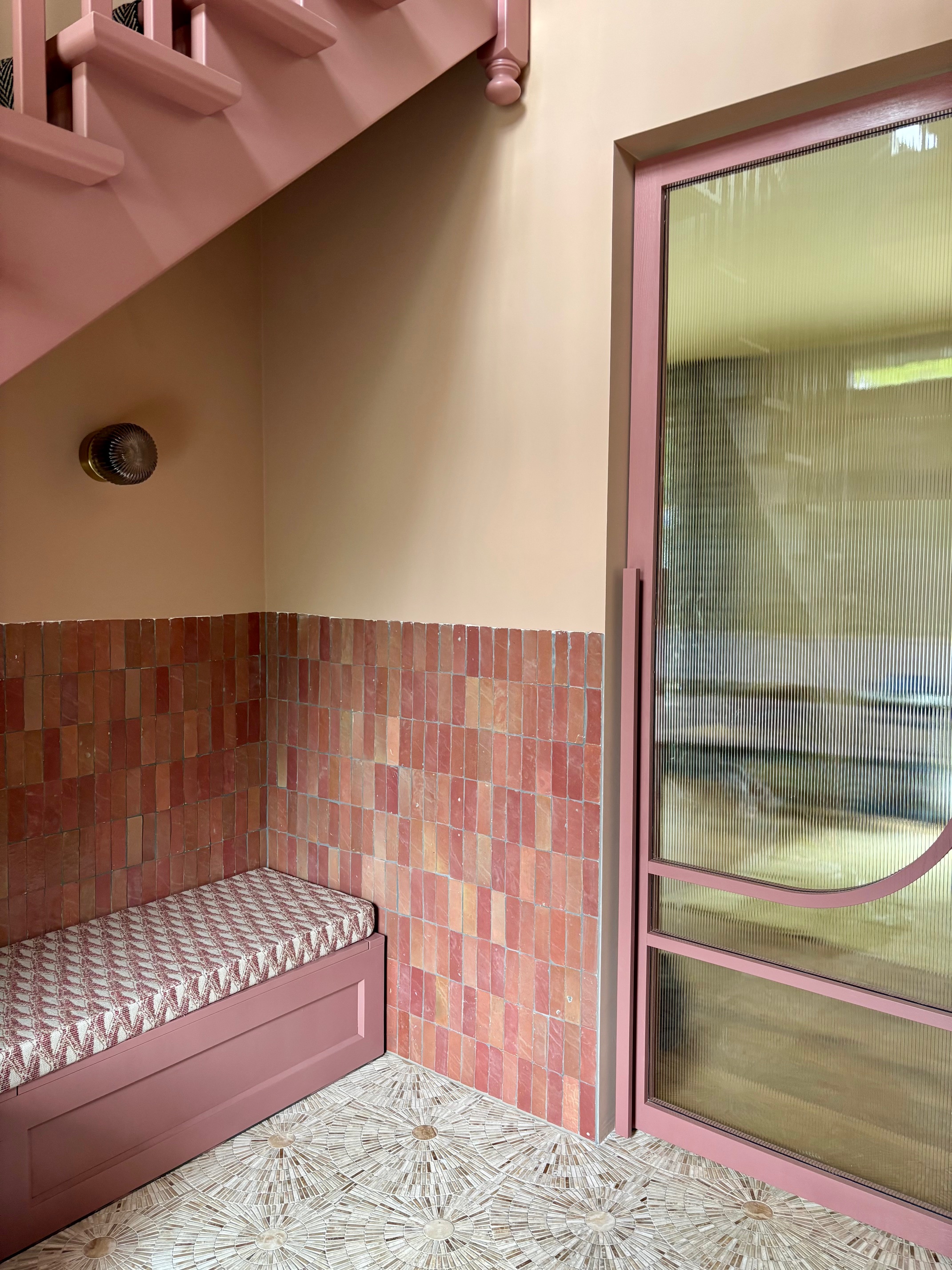
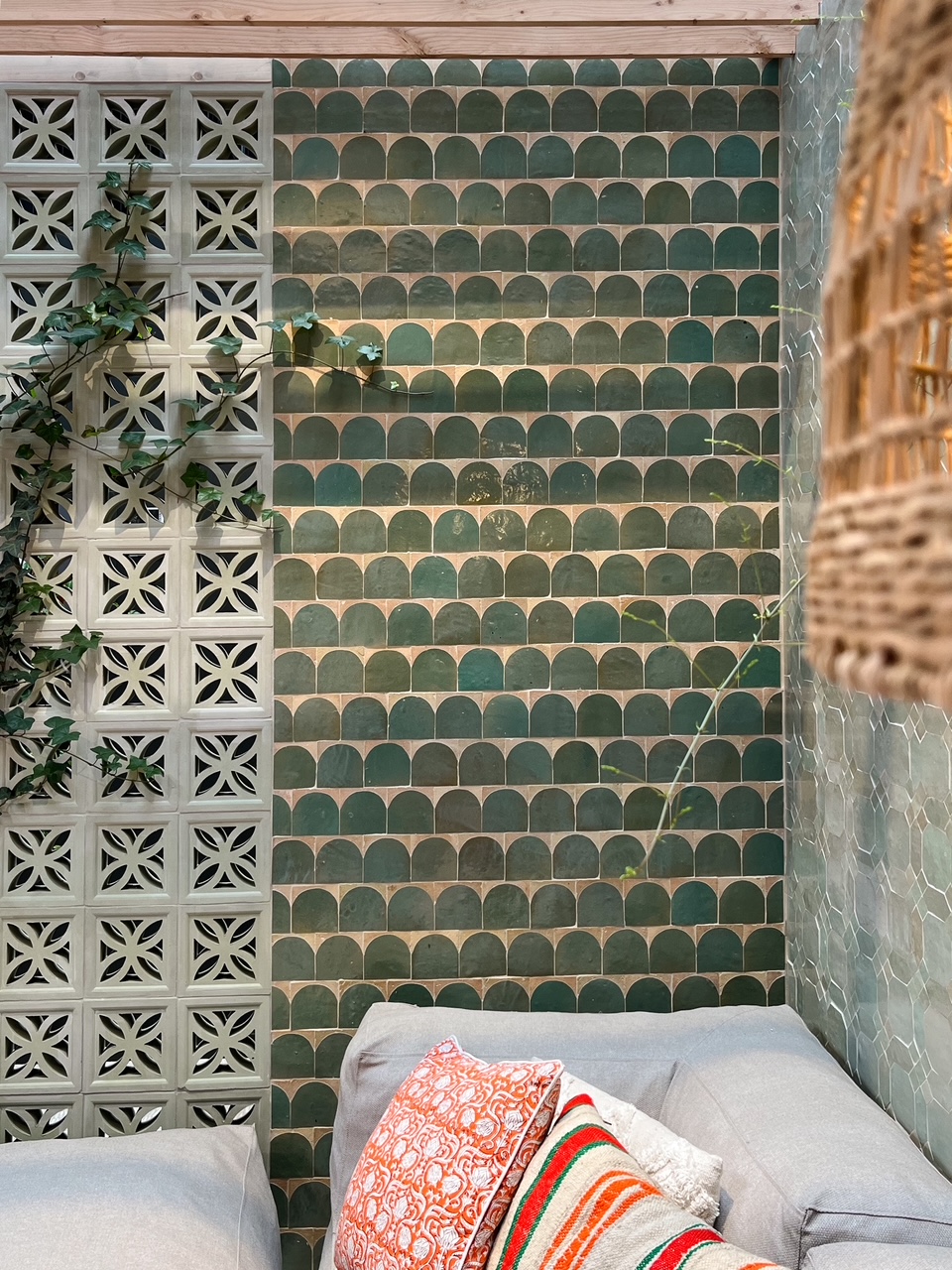
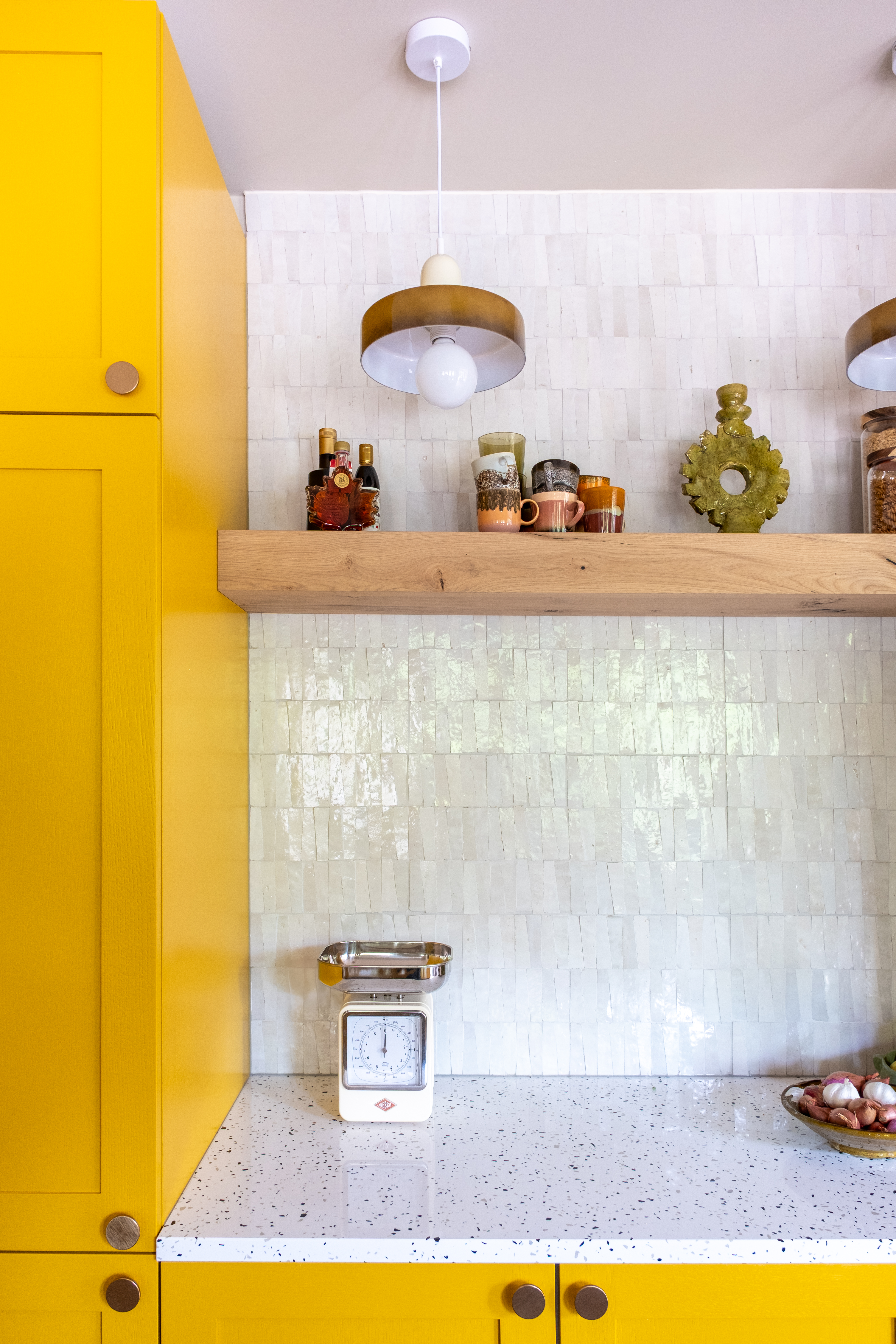
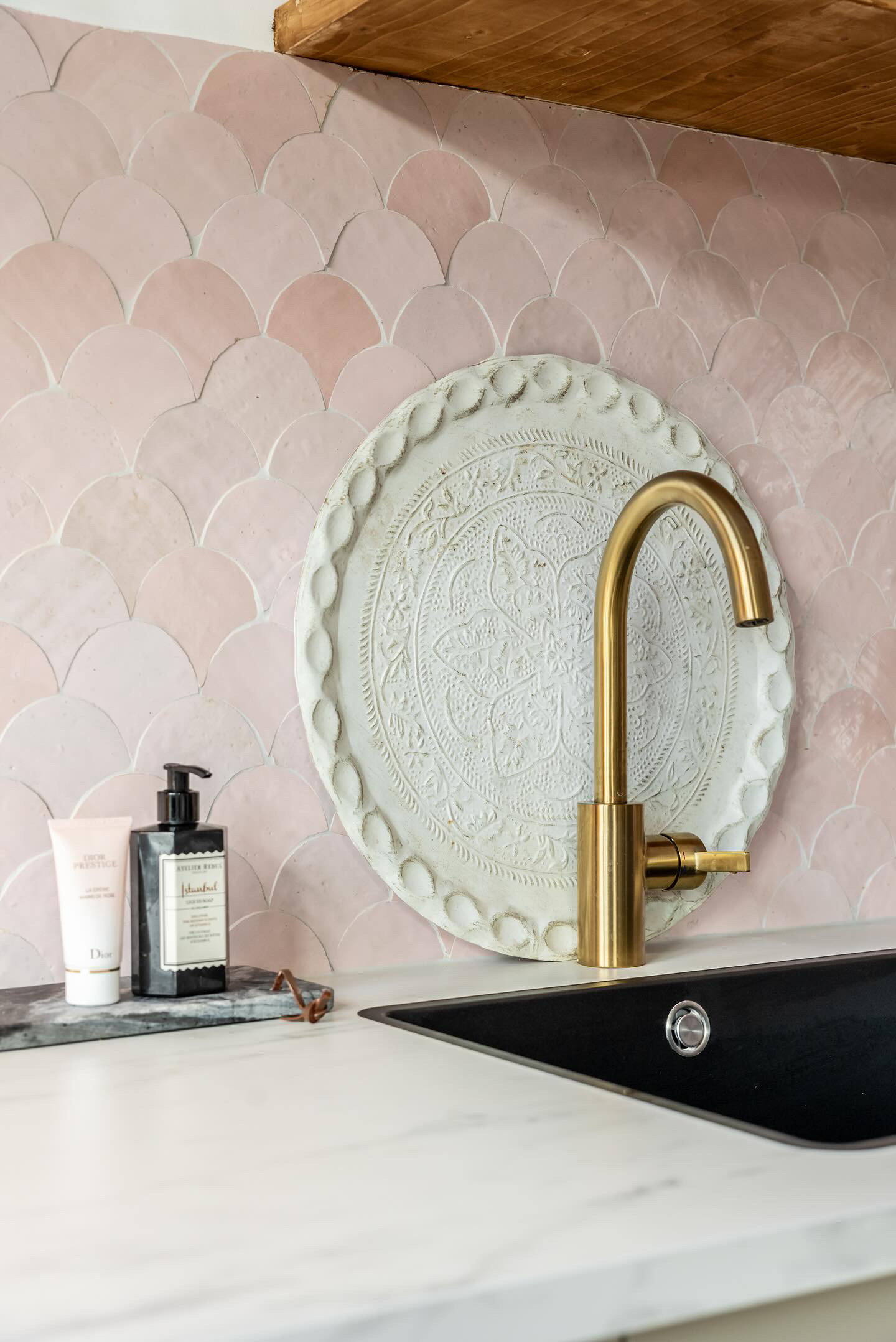
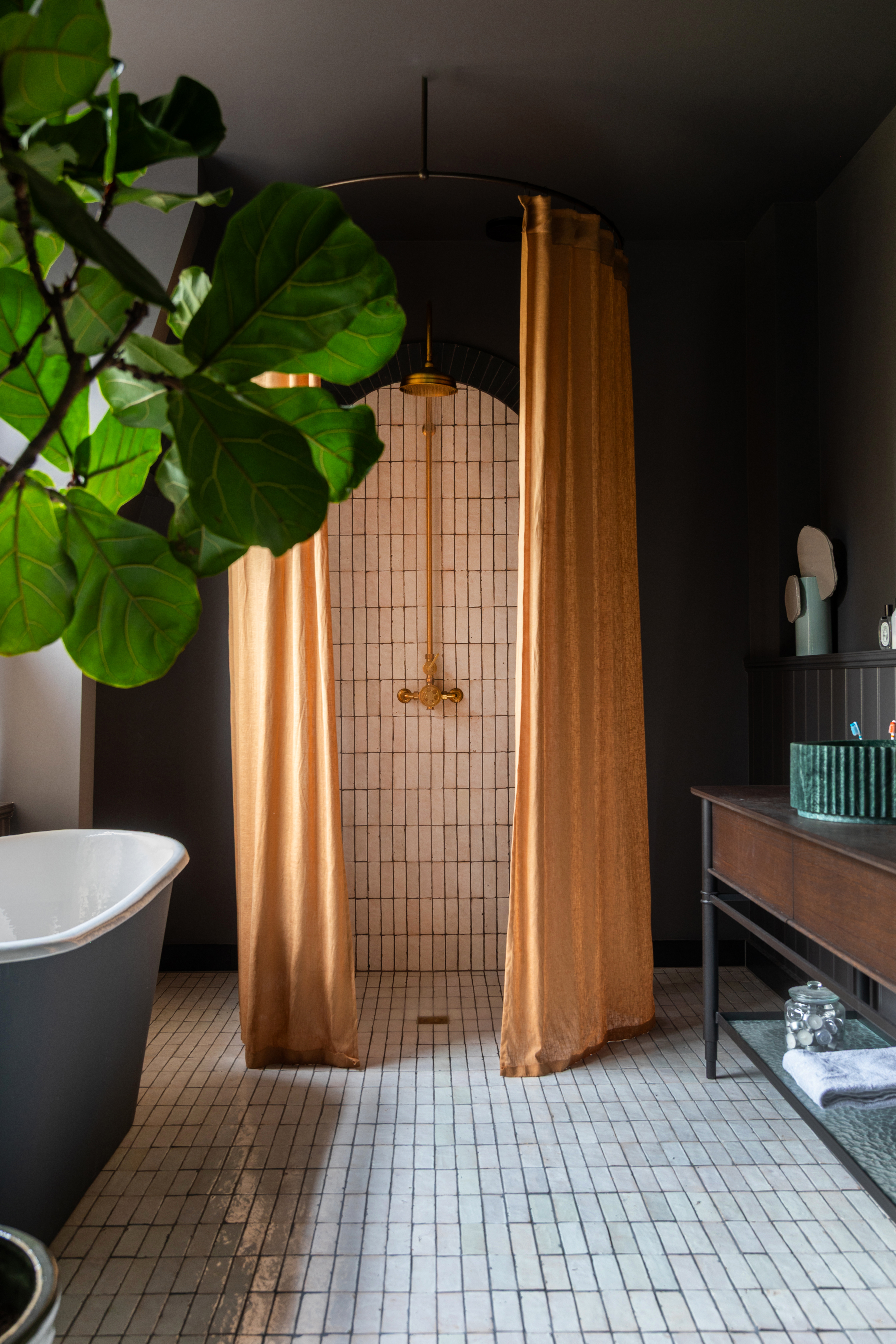
Handmade with character
Moroccan tiles, such as Zellige and Bejmat, are handmade tiles that find their origins in a centuries-old tradition from Morocco. They are made from local clay and finished with characteristic glazes, making each tile unique.
These tiles are suitable for various spaces and fit perfectly in a wide range of interiors, from traditional to modern. Whether it's a bathroom, kitchen or living room: Moroccan tiles instantly bring atmosphere, character and an authentic appearance.
Production of Moroccan tiles
Moroccan tiles such as Zellige, Bejmat and Platta are still made by hand in Morocco and are known for their rich colours and geometric patterns that are frequently seen in local architecture. Each type has its own application and character.
In Fez, Morocco, the Moroccan tiles are made. This city is famous for its perfect clay! The clay is collected, mixed with water and thoroughly kneaded.
The clay is pressed into moulds so it takes the right shape and is dried in the sun. Depending on the season, this can take up to 2 weeks.
The clay tablets are collected and cut to size and smoothed flat. Are the tiles the right size? Then they go back into the sun to dry further.
Origin and quality
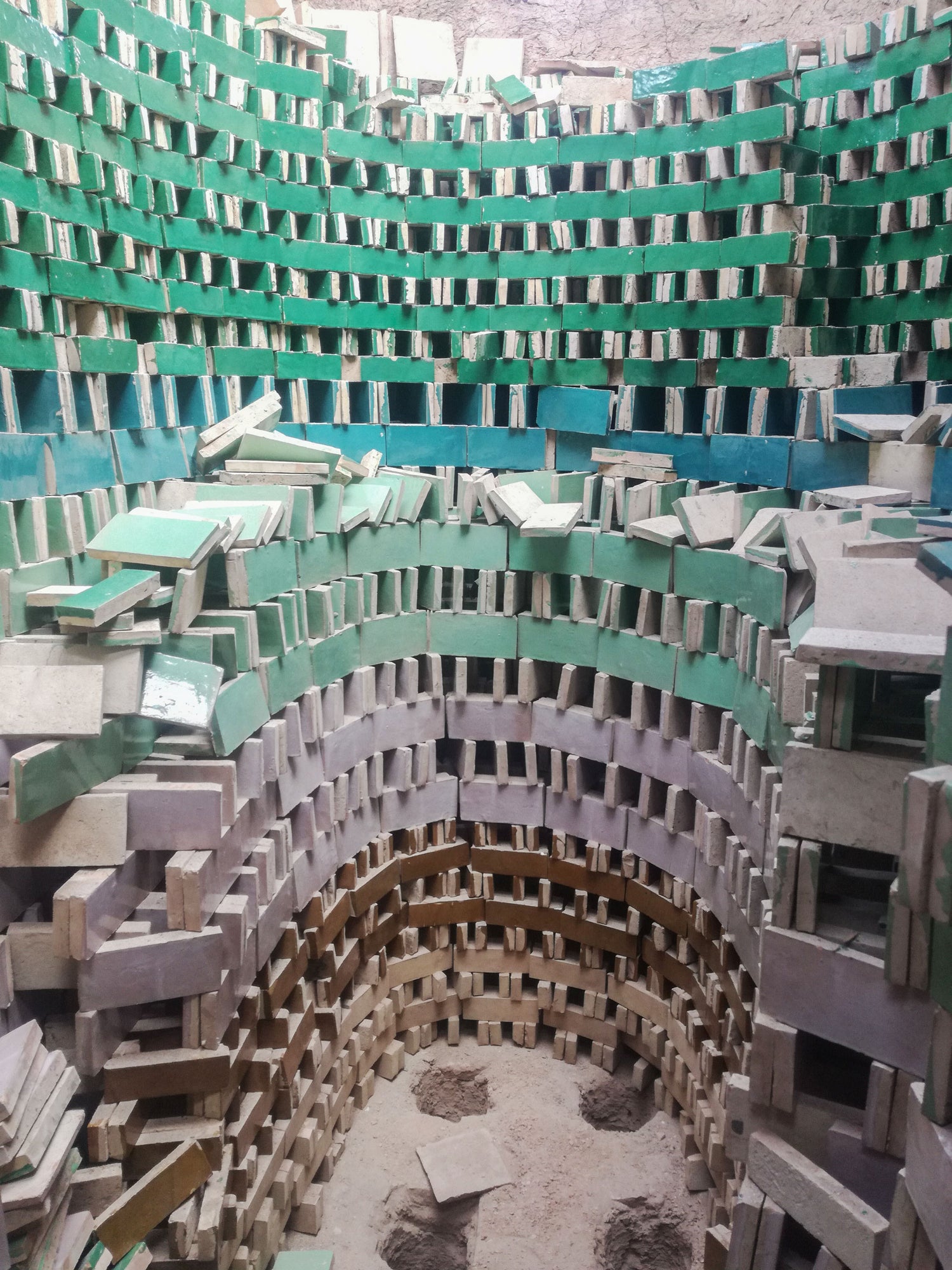
Our Platta, Zellige (pronounced: zelliezh) and Bejmat (pronounced: bejmat) tiles are made entirely by hand in Fez, Morocco. They are shaped from local clay, dried in the sun and fired in an olive pit oven — a centuries-old process.
Unique appearance and character
The manual production process and the cutting of each tile result in a lively and irregular appearance with beautiful colour nuances; this truly characterises the tile and makes each one unique. As one of the few tile types, Zellige are laid without grout and only the remaining gaps are grouted. This makes Zellige and Bejmat popular in both traditional and modern interiors.
A journey through time
A good cement tile is compact, waterproof and highly durable, made from natural materials such as marble powder, flint powder and organic pigments. The patterns are applied by hand in copper moulds and the tiles are then pressed under high pressure.
7th - 8th century — The art of glazed tiles was introduced in North Africa during the Arab conquests. Influences from this period formed the basis for the later development of Moroccan zelliges.
10th - 11th century — The zellige technique developed further into a true art form and grew into an important cultural symbol in Morocco. Under the Almoravids and Almohads, the craft flourished, with Fez as an important production centre.
14th century — From the 14th century onwards, increasingly vivid colours such as blue, green and yellow came into use and the technique spread further, including to Andalusia (the Alhambra).
Factories
Zellige tiles are often sold by various factories, but only a few producers still make these authentic tiles from real clay. Designtegels.nl works with a renowned producer in Fez, Morocco, whom we know well through our regular visits. The biggest challenge is colour consistency; that is why we always recommend ordering enough tiles and accounting for breakage and natural variations. The craft requires great precision: small shapes are chiselled by hand with a hammer and anvil. The craftspeople are proud of their work and carry out this specialised craft with great dedication. Child labour is not an issue, although teenagers sometimes help with light tasks.
Raw materials
Zellige and Bejmat tiles are made from clay, water and glaze. The clay is extracted from caves, dried in the factories, glazed and fired in kilns stoked with wood and olive pits. Because the tiles are stacked by hand, subtle colour differences arise that are characteristic of the product. After firing, the tiles are mixed and packaged for further processing. The natural lime particles in the clay can cause small cracks in the glaze; it is precisely these irregularities that give Zellige tiles their unique appearance and are considered normal. The production process for Zellige, Bejmat and Platta tiles is sustainable and contains no harmful materials for people, animals or the environment.
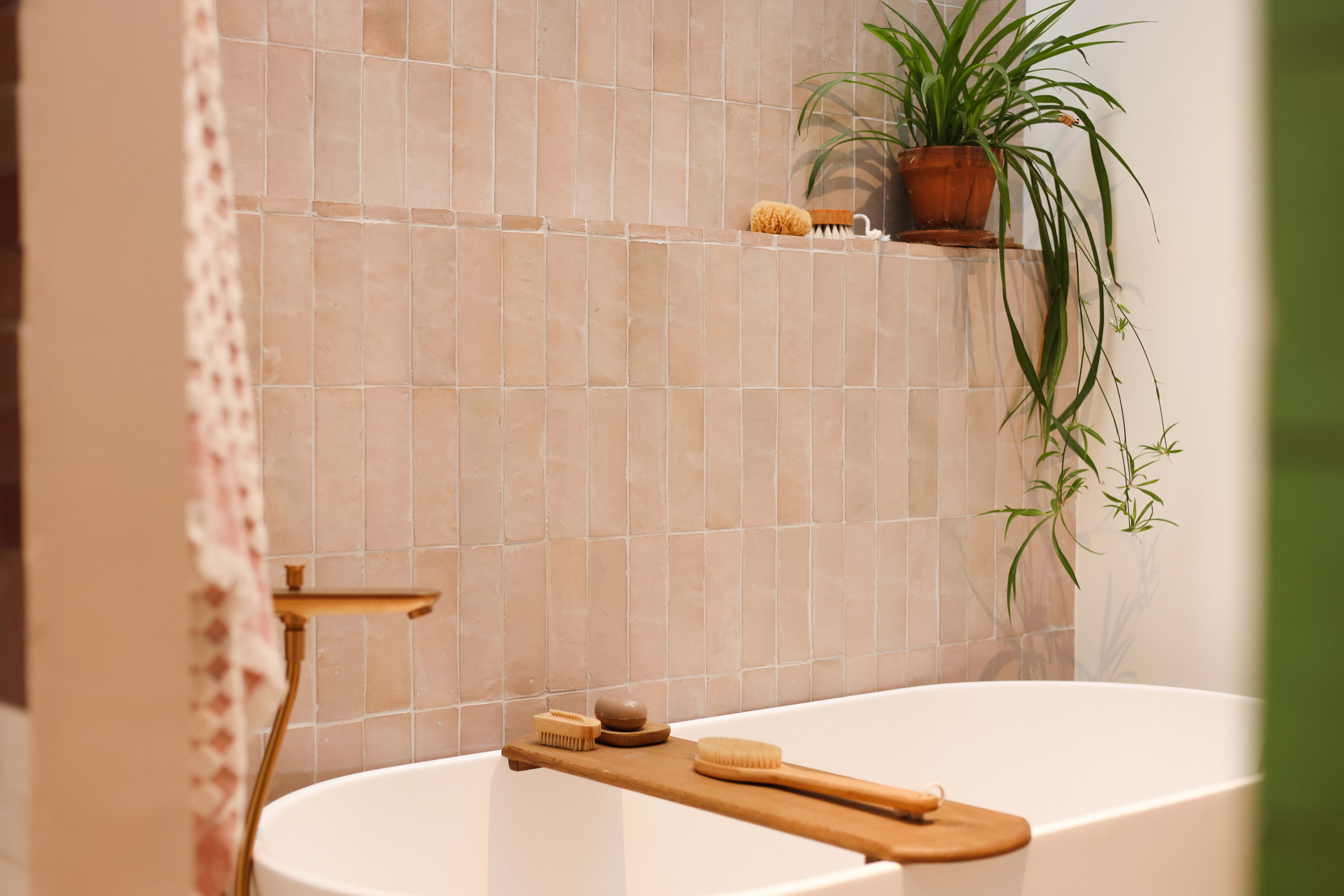
Ready to start your project?
View our full Moroccan tile collection online or visit one of our showrooms for personal advice.